This is one of the most fascinating and essential chemical processes in food science, playing a pivotal role in the development of complex flavors, aromas, and appealing textures. While the Maillard reaction is most commonly associated with browning in cooked meats and baked goods, this reaction is just as crucial in plant-based foods.
In fact, when harnessed properly, this browning reaction can elevate the taste and texture of plant-based proteins, transforming them into flavorful, mouth-watering alternatives that rival their animal-based counterparts. As the demand for plant-based proteins continues to rise, food manufacturers are increasingly looking for ways to enhance these products’ sensory qualities.
The Maillard reaction is a key tool in achieving that goal. With Trilogy Flavors’ expertise in creating natural, scientifically-driven flavor formulations, we help manufacturers unlock the full potential of the heat-induced flavor transformation, delivering plant-based proteins that are not only nutritious but also bursting with authentic, rich flavors.
Understanding the Maillard Reaction
The Maillard reaction is a complex, non-enzymatic chemical reaction that occurs when amino acids (the building blocks of proteins) interact with reducing sugars under heat. This reaction is primarily responsible for the browning of foods and the development of rich, savory flavors.
While this amino acid and sugar interaction has been studied extensively in cooking, its importance stretches far beyond just aesthetics—it shapes the flavor, aroma, and texture of many of the foods we love.
At its core, the Maillard reaction involves a series of intricate steps, starting with the amino acids and sugars coming together. As heat is applied, they form intermediate compounds, which then break down into hundreds of flavor and aroma compounds, creating the depth and complexity that are characteristic of roasted, grilled, or baked foods.
This is why searing a steak or toasting a slice of bread results in such a satisfying, savory smell.
The Maillard reaction is influenced by several key factors, including temperature, moisture content, pH, and time. The reaction occurs more readily at higher temperatures (above 140°C or 284°F), which is why cooking methods like roasting, baking, and grilling are particularly conducive to Maillard-driven flavor development.
However, it’s not just about throwing ingredients together and applying heat; precise control over the reaction is essential to achieving the desired outcome.
In plant-based foods, where proteins often have different amino acid profiles and lower fat content than animal proteins, the Maillard reaction behaves somewhat differently. While this can present unique challenges, it also offers exciting opportunities for food manufacturers to create innovative, flavorful plant-based products.
Maillard Reaction in Plant-Based Proteins
The Maillard reaction’s role in plant-based proteins is crucial for creating the depth of flavor and texture that consumers expect from plant-based products. However, due to differences in protein structure and amino acid composition compared to animal proteins, plant-based proteins present both unique opportunities and challenges in harnessing this chemical reaction.
The Plant-Based Protein Difference
Unlike animal proteins, which tend to have a higher fat content and a more balanced amino acid profile, plant-based proteins—such as soy, pea, lentil, and wheat—are often leaner and have distinct amino acid compositions. This difference can affect how effectively they undergo the Maillard reaction.
For example, some plant-based proteins may lack certain amino acids that are essential for triggering the Maillard reaction at the same rate as their animal counterparts. As a result, plant-based proteins often require more precise control over cooking methods and ingredient formulations to achieve optimal Maillard-driven flavor development.
Additionally, plant-based proteins can sometimes develop off-flavors or an undesirable “beany” taste when exposed to the heat-induced transformation. This is where food manufacturers need to fine-tune the process, ensuring that the Maillard reaction enhances the product’s flavor rather than detracting from it.
Maximizing Flavor and Texture
Despite these challenges, plant-based proteins also present unique opportunities for flavor innovation through the Maillard reaction. By carefully controlling variables like temperature, moisture, and time, food manufacturers can develop plant-based products with rich, savory, and even umami-like flavors. The non-enzymatic browning can enhance the “meaty” characteristics in plant-based meats or give a crispy, golden exterior to plant-based snacks.
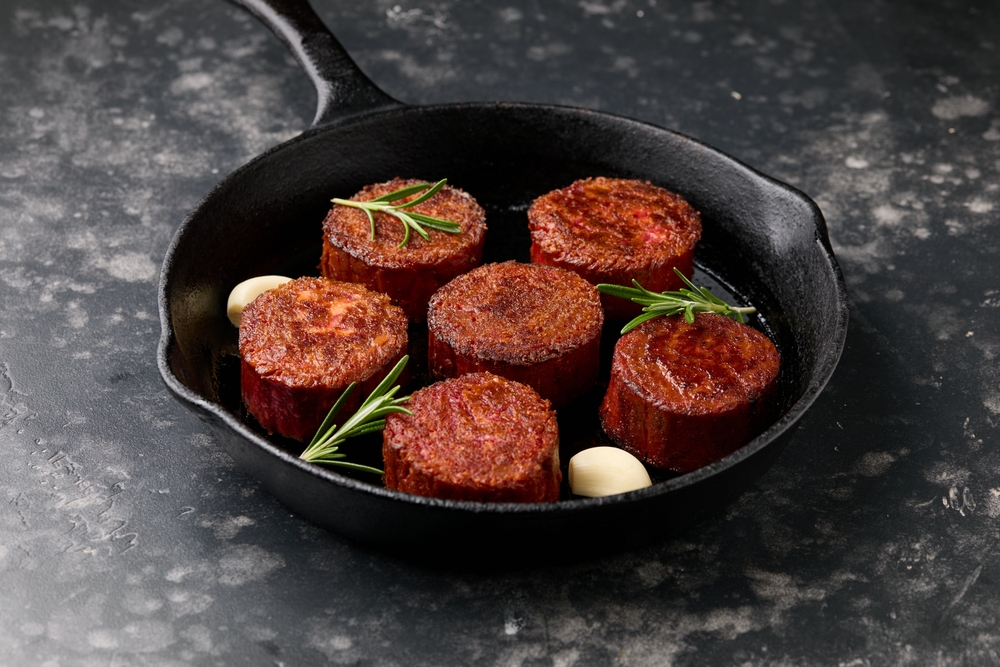
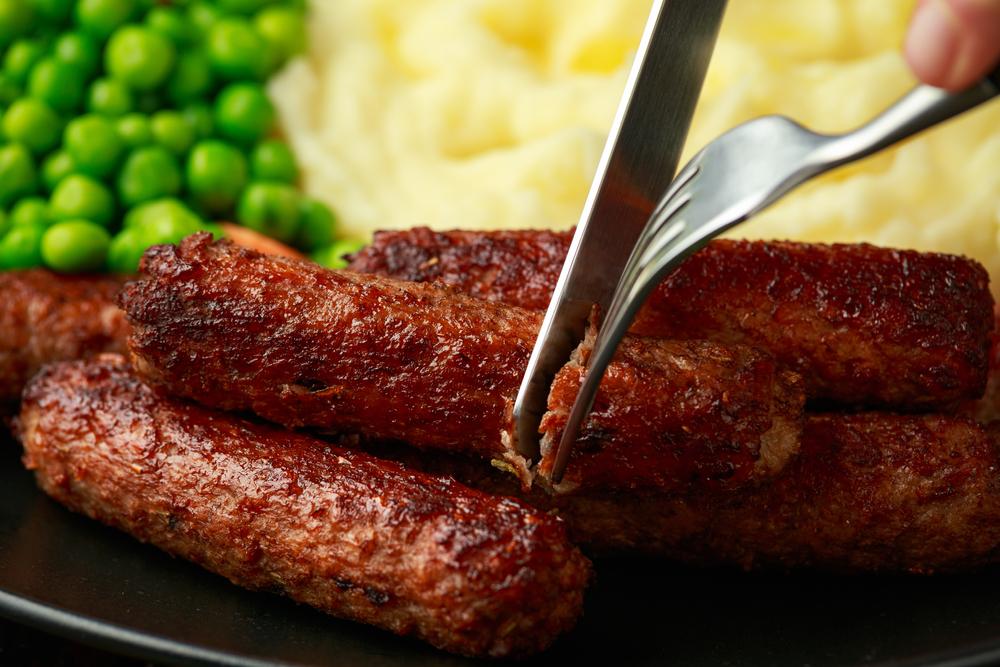
For instance, when producing plant-based burgers or sausages, the chemical reaction can help develop that crispy, caramelized crust on the outside while maintaining a tender and juicy interior. Similarly, in plant-based dairy alternatives, the Maillard reaction can contribute to flavor development and texture enhancement, creating more authentic, dairy-like products.
This is where Trilogy Flavors shines—through our expertise in natural flavor formulations and flavor enhancement technologies, we help food manufacturers unlock the full potential of the Maillard reaction in plant-based proteins, ensuring that the resulting flavors are rich, well-rounded, and crave-worthy.
Enhancing the Maillard Reaction for Desired Flavor Profiles
The Maillard reaction is an incredibly versatile tool for flavor development, but to truly master its potential, food manufacturers must be able to control and enhance the reaction to create specific, desirable flavor profiles.
For plant-based proteins, this often involves fine-tuning the reaction’s key variables—temperature, time, moisture, and pH—while integrating flavor enhancers that guide the flavor development towards a more focused outcome.
Optimizing Variables for Flavor Precision
In the quest to perfect the Maillard reaction, understanding how different factors impact the reaction is crucial:
- Temperature: Higher temperatures speed up the Maillard reaction, but too much heat can lead to bitterness or burnt flavors. Manufacturers can dial in the optimal cooking temperature to achieve a balance of savory, roasted, or caramelized notes without overcooking.
- Time: The Maillard reaction is a gradual process. With longer exposure to heat, more complex flavors develop. However, if timing isn’t controlled carefully, the reaction can go too far, resulting in overly intense or undesirable flavors. For plant-based proteins, shorter cooking times may be required to prevent the development of off-flavors.
- Moisture Content: Moisture is a key player in the Maillard reaction, as it helps to transfer heat more effectively. However, too much moisture can hinder the reaction, while too little can result in uneven browning. The right moisture balance is especially critical when working with plant-based proteins that may have varying water content.
- pH Levels: Slightly alkaline environments tend to promote the Maillard reaction more effectively. By adjusting pH levels during cooking or formulation, manufacturers can fine-tune the reaction, emphasizing certain flavor notes like nuttiness, sweetness, or umami.
Role of Trilogy Flavors in Flavor Precision
This is where Trilogy Flavors plays a key role. Our expertise in flavor chemistry allows us to help food manufacturers optimize the Maillard reaction by offering natural flavor enhancers that influence the reaction in specific ways.
For example, Trilogy’s flavor solutions can help guide the Maillard reaction to enhance the “grilled” or “roasted” notes in plant-based burgers or mimic the savory depth often found in meat-based broths.
By incorporating our customized flavor solutions into the Maillard process, food manufacturers can consistently achieve high-quality, flavor-rich plant-based products that meet consumer expectations for authenticity and taste. Whether it’s enhancing the umami profile of plant-based meats or intensifying the caramelized sweetness of plant-based snacks, Trilogy Flavors ensures the Maillard reaction works its magic every time.
The Benefits of Controlling the Maillard Reaction in Plant-Based Foods
Mastering the Maillard reaction doesn’t just unlock rich, complex flavors; it also offers several tangible benefits for plant-based food products. For manufacturers, the ability to control this reaction means more than just improving taste—it’s a tool for enhancing texture, color, and overall product appeal. Let’s explore some of the major benefits of harnessing the Maillard reaction in plant-based foods.
1. Enhanced Flavor Complexity
When plant-based proteins undergo the Maillard reaction, they take on a richer, more complex flavor profile, moving beyond simple plant-forward notes. By controlling the Maillard reaction, manufacturers can create flavors that mimic traditional meat products, bringing in savory, umami-rich, and even roasted or caramelized characteristics.
This is key for consumers transitioning to plant-based diets who are seeking familiar flavors and experiences.
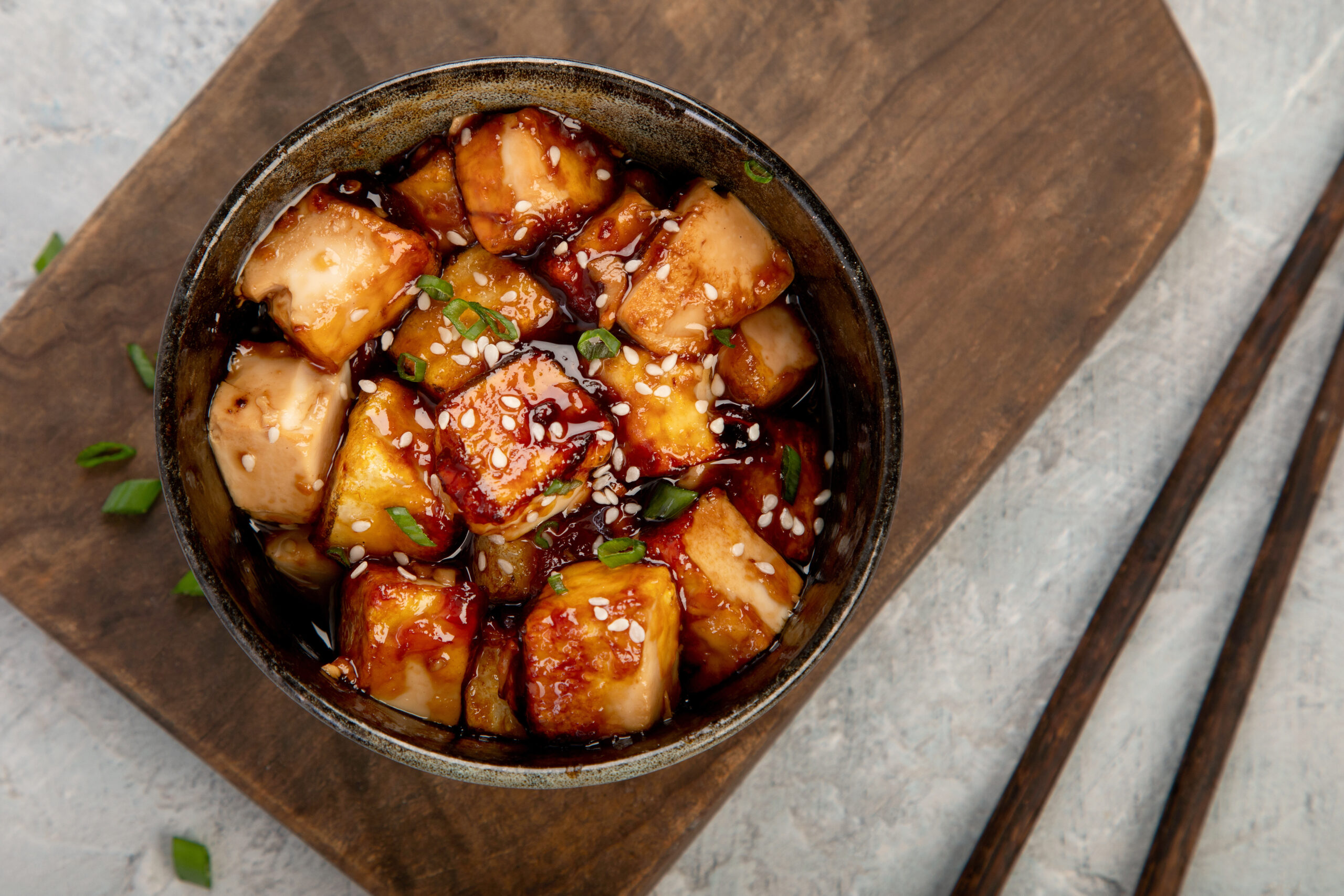
For example, the Maillard reaction can impart meaty, grilled flavors to plant-based meats, or deliver deep, roasted notes to plant-based snacks and sauces. These flavors not only enhance the sensory appeal of the products but also increase their overall consumer satisfaction and acceptance.
2. Improved Texture and Mouthfeel
While flavor is often the focus of the Maillard reaction, texture and mouthfeel are equally important, especially in plant-based proteins. The Maillard reaction plays a role in the browning and crisping of the exterior of food, adding a satisfying crunch or crispiness that consumers associate with cooked meats and other traditional foods.
In plant-based products like burgers, sausages, or even dairy alternatives, the Maillard reaction can create that perfect “bite” that feels both substantial and tender.
By carefully controlling this process, manufacturers can optimize texture for a more authentic eating experience, helping plant-based foods feel more like their animal-based counterparts in both flavor and texture.
3. Clean Label Benefits
With increasing consumer demand for clean labels, the ability to rely on the Maillard reaction to naturally enhance flavor, color, and texture without the need for artificial additives or flavor enhancers is a significant advantage.
By leveraging this natural reaction, manufacturers can avoid artificial flavorings or colorings, making their plant-based products more appealing to the growing number of consumers seeking cleaner, more transparent food options.
In addition, by controlling the Maillard reaction, manufacturers can achieve consistent, high-quality flavor profiles across batches, ensuring that their products meet both consumer expectations and regulatory standards without the need for synthetic additives.
4. Economic and Environmental Advantages
The Maillard reaction not only helps improve the sensory qualities of plant-based foods but also has potential economic and environmental benefits. By optimizing plant-based proteins through the Maillard reaction, manufacturers can reduce the need for costly, artificial flavoring systems while maintaining high flavor standards.
This efficiency can result in cost savings for manufacturers, especially in the long term.
Furthermore, plant-based foods inherently have a lower environmental footprint than animal-based products. By enhancing these products’ flavors through the natural Maillard reaction, manufacturers contribute to a more sustainable food system while still delivering products that satisfy the sensory demands of today’s consumers.
Additional Reading: How the Plant-Based Revolution is Shaping Flavor Development
Overcoming Challenges in Plant-Based Protein Flavor Development
While the Maillard reaction offers exciting opportunities for flavor enhancement in plant-based proteins, achieving the perfect Maillard-driven flavor profile is not without its challenges. Plant-based proteins, due to their unique compositions and structures, can be more difficult to work with than their animal-based counterparts.
Understanding and overcoming these challenges is key to delivering high-quality, flavor-rich plant-based foods.
1. Managing Off-Flavors and Unpleasant Notes
One of the most common challenges in plant-based protein flavor development is the occurrence of off-flavors, such as the “beany” or “grassy” notes often associated with ingredients like soy or pea protein. When exposed to high heat, certain plant proteins may develop undesirable flavors, which can interfere with the more desirable flavors created by the Maillard reaction.
To mitigate this, careful control of the Maillard reaction is essential. This includes optimizing cooking temperatures, adjusting moisture content, and managing pH levels. Trilogy Flavors provides natural flavor solutions designed to balance these off-flavors while enhancing the desirable Maillard reaction-driven notes, ensuring a more pleasant, meaty, or umami-rich profile in plant-based foods.
2. Inconsistent Browning and Flavor Development
Another challenge is achieving consistent browning and flavor development. Plant-based proteins have varying amino acid profiles and moisture contents, which can result in uneven Maillard reactions during cooking. This can lead to inconsistent flavor development, with some areas of the product tasting perfectly roasted while others taste underdeveloped or burnt.
By carefully controlling time, temperature, and moisture content, food manufacturers can achieve more consistent results. Trilogy Flavors’ expertise in natural flavor enhancement allows us to help manufacturers fine-tune their processes, ensuring that the Maillard reaction occurs evenly and predictably, leading to a more consistent product with uniform flavor.
3. Finding the Right Balance of Ingredients
Plant-based proteins often require a more complex ingredient formulation than animal proteins to achieve the same level of flavor complexity. This may involve blending different protein sources or adding additional flavor-enhancing ingredients to trigger the Maillard reaction effectively.
The key to overcoming this challenge lies in the formulation. By working closely with Trilogy Flavors, manufacturers can identify the right combinations of plant-based proteins, natural flavor enhancers, and cooking methods to create the perfect balance for flavor development.
We can guide food manufacturers through the process, ensuring that the Maillard reaction works in harmony with their ingredients to deliver the best possible sensory profile.
4. Replicating Traditional Meat Flavors
For many consumers, the ultimate goal of plant-based protein development is to replicate the taste and texture of traditional meat products.
While the Maillard reaction is capable of delivering “meaty” flavors, achieving the same level of depth and complexity found in animal-based products can be challenging, especially given the differences in fat content and amino acid profiles between plant and animal proteins.
Trilogy Flavors excels in helping manufacturers bridge this gap. Through advanced natural flavor technologies, we provide solutions that enhance the Maillard reaction, adding layers of savory, umami, and roasted flavors that make plant-based meats taste more authentic and satisfying.
Conclusion
The Maillard reaction is a powerful tool in the development of rich, flavorful plant-based proteins. By understanding and mastering this chemical process, food manufacturers can elevate the taste, texture, and overall sensory experience of plant-based products, bringing them closer to the beloved flavors of traditional meat.
The benefits of controlling the Maillard reaction extend beyond flavor, enhancing texture, color, and even contributing to more sustainable and cost-effective production methods.
At Trilogy Flavors, we are experts in helping food manufacturers harness the full potential of the Maillard reaction. Through our natural flavor formulations and in-depth knowledge of flavor chemistry, we work with our clients to create plant-based products that not only meet the growing consumer demand for delicious, sustainable options but also push the boundaries of what’s possible in flavor innovation.
If you’re looking to take your plant-based products to the next level, don’t hesitate to talk with us. Let Trilogy Flavors guide you in creating plant-based proteins that are bursting with authentic, Maillard-enhanced flavors that will leave consumers coming back for more.